Montessori At Home: How To Create A Montessori-Inspired Environment For Your Child

Unleashing the Genius Within: Creating a Montessori-Inspired Home for Your Child
Remember those "aha!" moments when you finally grasped a concept? That feeling of accomplishment, of pure joy at understanding something new? That’s what Montessori education aims to cultivate in children, and guess what? You can bring that magic into your own home!
As a parent, you want the best for your child. You want them to be happy, curious, and confident. You want them to learn and grow, but also to be independent and self-reliant. And that’s where Montessori comes in.
More Than Just a Fancy Name:
Montessori isn’t just a buzzword. It’s a philosophy of education based on the work of Dr. Maria Montessori, an Italian physician and educator. She believed that children are naturally curious and eager to learn. They have an innate drive to explore their world and develop their skills.

The Montessori Magic:
The Montessori method encourages children to learn through exploration and hands-on activities. It focuses on developing the whole child – intellectually, emotionally, physically, and socially.
Let’s Dive In:
1. Creating a Prepared Environment:
Think of your home as a classroom, but one that’s filled with wonder and possibility. The Montessori approach emphasizes creating a "prepared environment" – a space that is both stimulating and organized, inviting children to explore and learn independently.
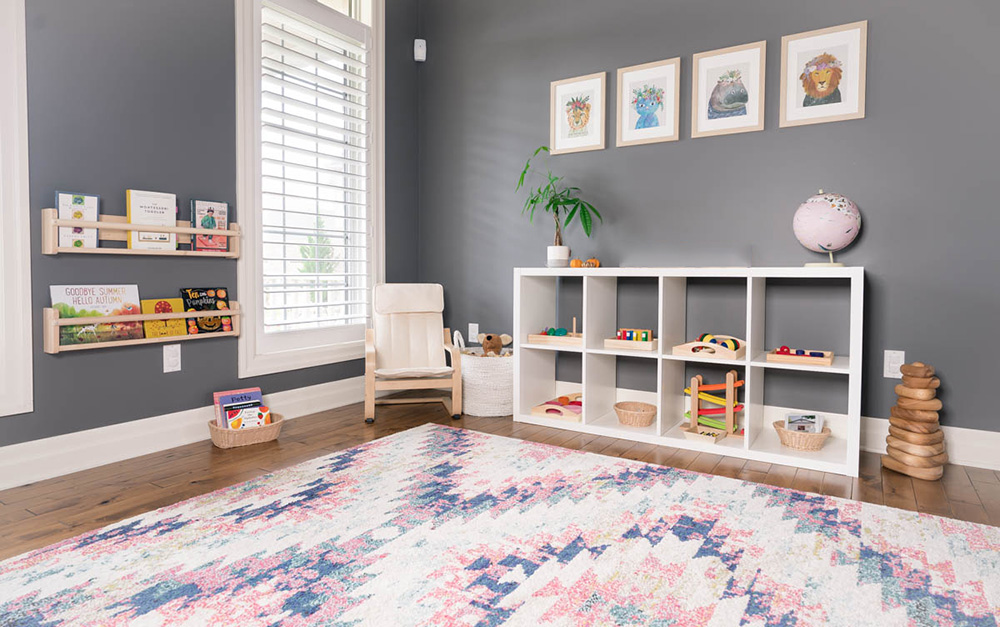
2. Fostering Independence:
One of the core tenets of Montessori is fostering independence. You want your child to feel empowered to learn and explore on their own.
- Self-Care Activities: From dressing themselves to washing their hands, encourage self-reliance. Provide age-appropriate tools and opportunities for them to take ownership of their daily routines.
- Choices, Choices, Choices: Give your child choices within reasonable limits. Let them choose their outfit, their snack, or the activity they want to do. This builds decision-making skills and confidence.
- Learning Through Play: Montessori sees play as the foundation of learning. Provide open-ended toys that encourage creativity and exploration, like blocks, art supplies, and natural materials.
3. The Magic of Hands-On Learning:
Montessori believes in learning through experience. This means ditching the worksheets and embracing hands-on activities that engage all the senses.
- Sensory Play: Sensory bins filled with rice, beans, or water encourage exploration and tactile learning.
- Practical Life Activities: Tasks like sweeping, watering plants, or setting the table build fine motor skills and a sense of responsibility.
- Practical Learning Materials: Montessori materials are designed to be self-correcting, allowing children to learn through trial and error. Think puzzles, sorting activities, and manipulative toys.
4. Cultivating Concentration: