Lighting Ideas to Instantly Elevate Any Room

Lighting is more than just a functional necessity; it’s a powerful tool that can transform the ambiance, mood, and perceived size of a space. Whether you’re aiming for a cozy retreat or a vibrant gathering spot, the right lighting can make all the difference. Let’s explore how thoughtful lighting choices can instantly elevate any room in your home.
The Power of Layered Lighting
Layered lighting involves combining different types of light sources to create a balanced and versatile illumination scheme. This approach typically includes ambient, task, and accent lighting.
Ambient lighting provides the general illumination of a room, often achieved through ceiling fixtures or recessed lights. Task lighting focuses on specific areas where activities like reading or cooking take place, using desk lamps or under-cabinet lights. Accent lighting highlights architectural features or artwork, adding depth and dimension to the space.
By layering these lighting types, you can adjust the mood and functionality of a room with ease. For instance, in a living room, a combination of a central chandelier (ambient), floor lamps beside seating areas (task), and wall sconces highlighting artwork (accent) can create a dynamic and inviting environment.
This method not only enhances the aesthetic appeal but also improves the practicality of your spaces, allowing for flexibility in lighting based on different activities and times of day.
Embracing Natural Light
Natural light is an invaluable asset in interior design, offering numerous benefits beyond mere illumination. It enhances the colors and textures within a room, creates a sense of openness, and contributes to the well-being of occupants.
To maximize natural light, consider using sheer window treatments that allow sunlight to filter through while maintaining privacy. Strategically placing mirrors opposite windows can reflect light deeper into the room, amplifying its presence. Additionally, choosing light-colored walls and furnishings can help bounce light around the space, making it feel brighter and more expansive.
Incorporating skylights or larger windows during renovations can also significantly increase the amount of natural light entering a room. Not only does this reduce the need for artificial lighting during the day, but it also creates a more inviting and comfortable atmosphere.
Remember, the quality of natural light changes throughout the day, so observing how sunlight moves through your space can inform the placement of furniture and the selection of complementary artificial lighting.
The Impact of Color Temperature
Color temperature, measured in Kelvins (K), refers to the hue of a specific type of light source. Understanding and utilizing color temperature can dramatically affect the mood and functionality of a room.
Warm white light (2700K–3000K) emits a cozy, yellowish glow, ideal for living rooms and bedrooms where relaxation is key. Neutral white light (3500K–4100K) offers a balance between warm and cool tones, suitable for kitchens and bathrooms. Cool white light (5000K–6500K) has a bluish tint, promoting alertness and concentration, making it perfect for home offices or task-oriented areas
Selecting the appropriate color temperature can enhance the intended use of a space. For instance, using warm lighting in a dining area can create an intimate atmosphere, while cool lighting in a study can improve focus and productivity.
Moreover, mixing different color temperatures within a single room can delineate zones and add depth, but it’s essential to do so thoughtfully to maintain visual harmony.
Smart Lighting Solutions
Advancements in technology have introduced smart lighting systems that offer unparalleled control and customization. These systems allow you to adjust brightness, color temperature, and even the color of your lights through smartphone apps or voice commands.
Smart bulbs and fixtures can be programmed to follow schedules, dim gradually at bedtime, or simulate natural light patterns, enhancing your daily routines and overall comfort. Integration with other smart home devices can further streamline your living environment, creating scenes that adjust multiple settings with a single command.
Additionally, smart lighting contributes to energy efficiency by ensuring lights are only on when needed and at appropriate brightness levels. This not only reduces electricity consumption but also extends the lifespan of your bulbs.
Embracing smart lighting can transform your home into a more responsive and adaptable space, tailored to your lifestyle and preferences.
Statement Lighting Fixtures
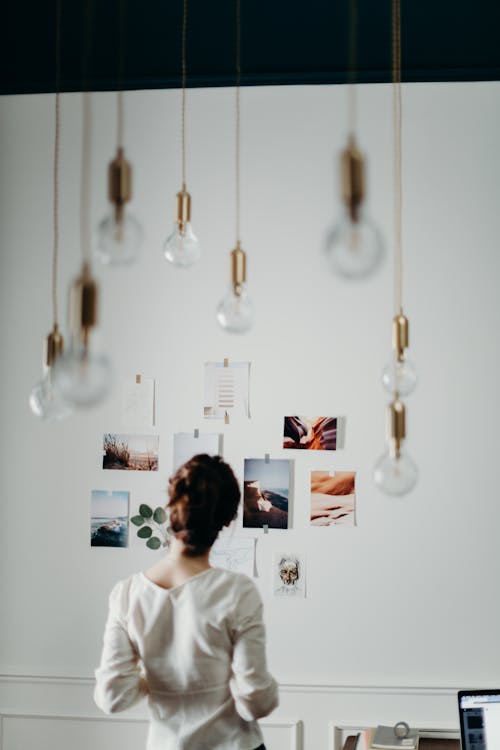
Lighting fixtures can serve as focal points and artistic statements within a room. Choosing a bold chandelier, an elegant pendant, or a sculptural floor lamp can add personality and style, elevating the overall design.
When selecting statement lighting, consider the scale and proportion relative to the room’s size and ceiling height. A large fixture in a small space can overwhelm, while a tiny light in a vast room may go unnoticed. Ensuring the fixture complements the room’s aesthetic, whether modern, traditional, or eclectic, is also crucial.
Moreover, statement lighting should not compromise functionality. While it serves as a design element, it must also provide adequate illumination for the space. Balancing form and function ensures that your lighting choices enhance both the beauty and usability of your home.
Accent Lighting for Depth and Drama
Accent lighting focuses on highlighting specific features within a room, such as artwork, architectural details, or decorative objects. By directing attention to these elements, accent lighting adds depth and visual interest.
Common forms of accent lighting include track lights, wall-mounted fixtures, and recessed spotlights. These can be strategically placed to create shadows and contrasts, enhancing textures and shapes. For instance, illuminating a textured wall can emphasize its pattern, while spotlighting a painting can make it stand out as a centerpiece.
Accent lighting also contributes to the ambiance by creating layers of light that complement ambient and task lighting. This layered approach results in a more dynamic and inviting environment.